
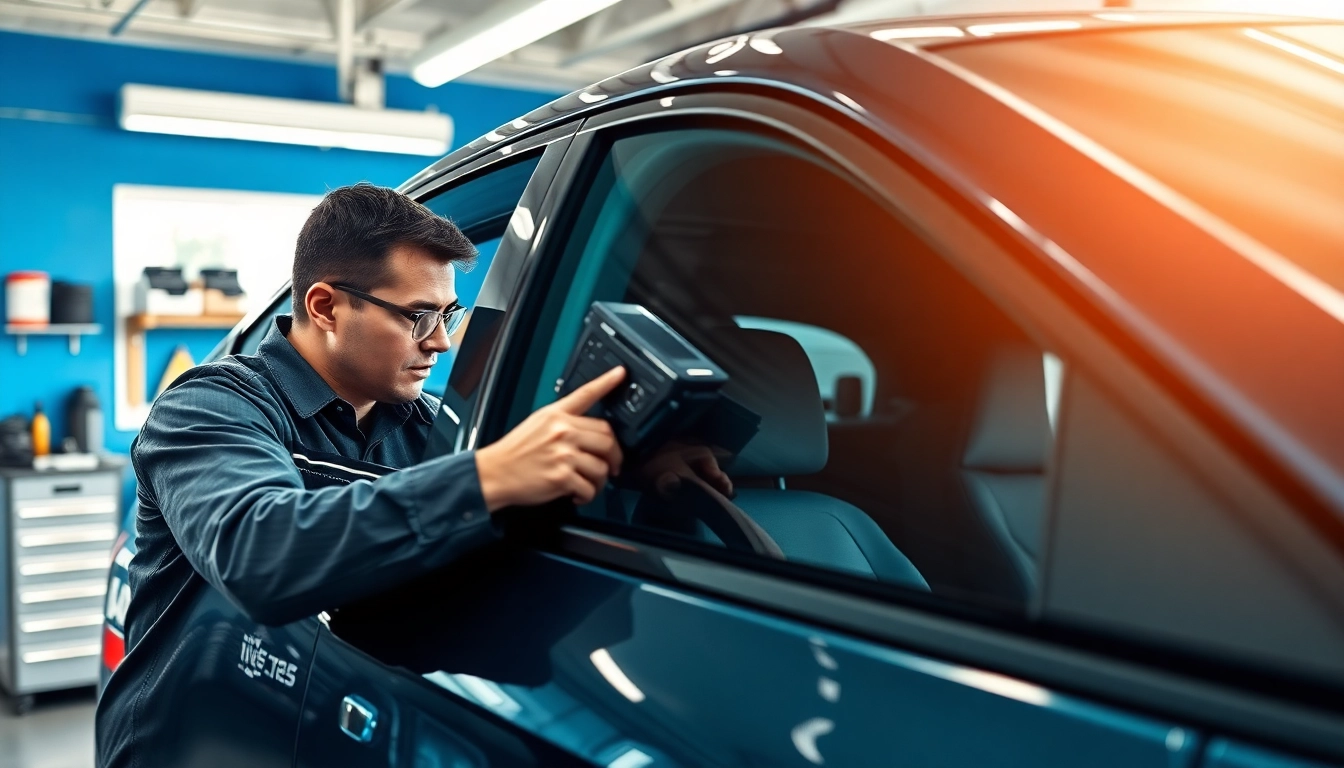
Understanding Auto Window Tint Options
Types of Window Tint Films
When considering auto window tint near me, it’s essential to understand the different types of window tint films available in the market. The key types include:
- Dyed Window Films: These films use dye to absorb solar heat and provide privacy. They are cost-effective but offer minimal UV protection and may fade over time.
- Metalized Window Films: These contain metal particles that reflect heat and UV rays. They offer durability and privacy but may interfere with electronic signals.
- Carbon Window Films: Rich in carbon, these films block UV rays and heat while reducing glare. They do not fade and maintain a sleek appearance.
- Ceramic Window Films: High-tech films that provide excellent heat resistance and UV protection without altering visibility. They are ideal for those seeking an advanced solution.
Benefits of Auto Window Tint
Choosing the right window tint can significantly enhance your driving experience. Here are some benefits:
- UV Protection: Most window tints block 99% of harmful UV rays, protecting both your skin and your vehicle’s interior.
- Heat Reduction: Tinted windows can reduce heat buildup inside the vehicle, providing comfort and reducing air conditioning costs.
- Enhanced Privacy: Tinted windows obscure the interior, thus protecting your belongings and providing personal privacy.
- Improved Aesthetics: Tinted windows can enhance the overall appearance of your vehicle, giving it a sleek and stylish look.
- Safety: In case of an accident, window tint can hold shattered glass in place, reducing the risk of injury.
How to Choose the Right Tint
When selecting the perfect window tint for your vehicle, consider the following:
- Legal Restrictions: Each state has specific laws governing window tint darkness and reflectivity. Familiarize yourself with these regulations before making a choice.
- Purpose: Determine whether you prioritize aesthetics, privacy, or heat rejection to find a tint that meets your needs.
- Film Quality: Opt for high-quality films with warranties to ensure longevity and performance.
Factors to Consider When Searching for Auto Window Tint Near Me
Local Regulations on Window Tinting
Before proceeding with auto window tinting, it is crucial to understand local laws and regulations that dictate what is permissible. Most states have specific guidelines regarding the maximum reflectivity and darkness of window tint. Familiarize yourself with these restrictions to avoid fines and potential removal of the tint.
Quality vs. Price: What to Look For
While it can be tempting to choose the cheapest option available, remember that quality tends to correlate with price in window films. High-quality window tints often come with better warranties and perform better in terms of UV rejection, heat management, and durability. Assess the cost-benefit ratio carefully and prioritize quality for long-term satisfaction.
Customer Reviews and Recommendations
When searching for auto window tint options, consult customer reviews to gauge the reputation of service providers. Look for testimonials that highlight satisfaction with both the product and installation services. Personal recommendations from friends or family who have recently tinted their windows can also guide your decision-making process.
DIY vs. Professional Auto Window Tinting
Pros and Cons of DIY Tinting
Many vehicle owners contemplate the feasibility of DIY window tinting. Here are some pros and cons:
- Pros: DIY tinting can save money and allows for customization based on personal preference. It also provides hands-on experience and a sense of accomplishment.
- Cons: Inexperience can lead to bubbles, peeling, or uneven application. Additionally, mistakes can result in higher costs for professional correction.
Why Go Professional?
Opting for professional installation provides numerous advantages over DIY projects:
- Expertise: Professional installers possess the skills and experience necessary for flawless application.
- Quality Materials: Professionals have access to high-end materials that may not be available to the average consumer.
- Warranty: Many professional installations come with warranties that protect your investment in the event of issues.
Cost Comparison and Value Assessment
The cost of professional auto window tinting typically ranges between $200 and $800, largely depending on vehicle size and type of film selected. While DIY projects may appear cost-effective, consider the potential for mistakes and the possibility of needing a professional redo, which can add to your overall expenses. Assessing the value of professional work against the risks of DIY will guide you toward the best option for your needs.
Understanding the Installation Process
Preparation Steps Before Tinting
The success of any window tint job begins with proper preparation:
- Clear the vehicle’s windows of dirt and debris. Clean surfaces ensure optimal adhesion.
- Remove any existing window film, if necessary, and ensure that the car is in a shaded area to prevent premature drying.
- Gather all required tools, including a squeegee, utility knife, and heat gun, if you’re doing it yourself.
Installation Process Explained
For professional installations, the process usually follows these steps:
- Measuring: Installers will carefully measure each window to cut the film accordingly.
- Film Application: The film is moistened with a solution for easier application and is pressed onto the window.
- Finishing Touches: Installers will trim any excess film and use a squeegee to remove bubbles and ensure a good seal.
Post-Installation Care for Your Tint
Once the tinting process is complete, proper care is critical for longevity:
- Avoid rolling down windows for at least three to five days to allow the film to adhere fully.
- Use soft cloths for cleaning and avoid glass cleaners that contain ammonia, as these can damage the tint.
- Regularly inspect the edges of the tint for peeling and address any issues promptly to maintain the aesthetic and functional benefits.
Frequently Asked Questions About Auto Window Tint Near Me
What is the typical lifespan of window tint?
Quality window tints usually last between 5 to 15 years, depending on maintenance and film quality.
Can I remove old window tint myself?
Yes, but it can be tricky. Professionals can ensure no damage occurs during the removal process.
What are the benefits of ceramic window tinting?
Ceramic window tint offers superior heat rejection and UV protection without interfering with electronics.
How much does professional auto window tinting cost?
Costs vary widely, but you can expect anywhere from $200 to $800 depending on vehicle size and film type.
Is darker tint always better for heat rejection?
Not necessarily. While darker tints provide more privacy, quality films with advanced technology can offer better heat rejection without being too dark.