
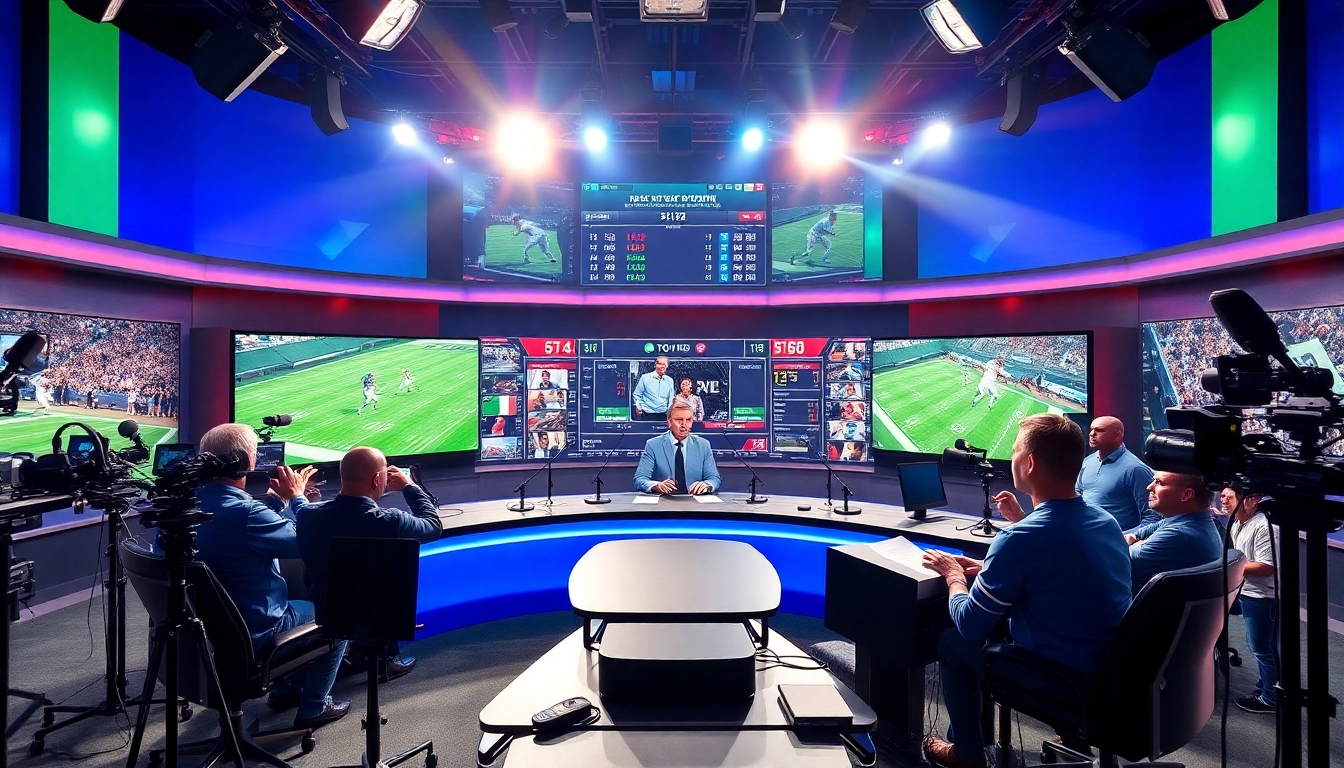
Understanding the Fundamentals of Sports Broadcasting
Sports Broadcasting is an evolving field that combines the excitement of live sports coverage with the technical precision of modern communication technology. Effective communication plays a crucial role in delivering engaging content to audiences, whether it takes the form of live events, analysis shows, or podcasts. This article explores the foundations of Sports Broadcasting, its various formats, the challenges faced, and the future trends that are reshaping the industry.
The Importance of Effective Communication
Effective communication is the lifeblood of Sports Broadcasting. Commentators, analysts, and hosts must convey excitement, information, and strategy concisely and engagingly. A broadcaster’s ability to connect with the audience can significantly enhance their viewing experience, making them feel part of the action, even from afar.
Key Roles in Sports Broadcasting
The success of a sports broadcast hinges on the collaboration of various key roles:
- Commentators: Provide real-time analysis and commentary, enhancing the viewer’s understanding of the game.
- Producers: Oversee the overall direction of broadcasts, coordinating between various departments to ensure seamless coverage.
- Technical Crew: Handle the technology required for broadcasting, including cameras, lighting, and sound equipment.
- Analysts: Offer in-depth insights into teams, players, and strategies, helping viewers gain a deeper appreciation for the complexities of the sport.
Essential Technologies Used
The landscape of sports broadcasting is cemented by technological advancements. Equipment such as high-definition cameras, drones, and various editing tools ensure high-quality coverage. The introduction of AI and machine learning is aiding broadcasters in analyzing games and providing timely insights.
Exploring Different Formats of Sports Broadcasting
The formats of Sports Broadcasting are as diverse as the sports themselves. Each format presents unique challenges and opportunities for engaging viewers and adapting to changing viewing habits.
Live Event Coverage
Live event coverage is at the core of Sports Broadcasting. This format requires broadcasters to deliver the action as it happens, fostering a sense of immediacy. Utilizing multiple camera angles, expert analysis, and real-time statistics enhances the viewer’s experience and keeps them informed throughout the event.
Pre- and Post-Game Shows
Pre-game shows set the stage for live events, featuring expert predictions and insights into team strengths and weaknesses. Post-game shows provide analysis of the game outcomes, discussing key plays and player performances. Both formats help in building audience engagement and retention, as viewers often seek context and recap following events.
Analyzing Sports Podcasts
The rise of digital platforms has revolutionized content consumption. Sports podcasts have emerged as a popular format, allowing audiences to engage with sports content in a flexible manner. They offer deep dives into specific topics, interviews with athletes, and discussions on current events, often building a loyal listener base and enhancing community through shared interests.
Overcoming Challenges in Sports Broadcasting
Sports Broadcasting is not without its challenges. From technical difficulties to ethical concerns, navigating these issues is essential for maintaining quality and trust with the audience.
Managing Technical Difficulties
Technical difficulties can disrupt broadcasts at any moment. It’s imperative to have backup systems and technical support in place to resolve issues swiftly. Regular equipment checks and rehearsals can also minimize the likelihood of unexpected failures.
Handling Live Broadcast Errors
Live broadcasts are particularly prone to errors, be it commentary slips or missed camera angles. Quick thinking by production teams and on-screen talent helps maintain a smooth presentation. Acknowledge the human element and maintain a connection with the audience to keep the experience enjoyable, despite minor hiccups.
Navigating Legal and Ethical Considerations
Copyright issues, player privacy rights, and broadcasting regulations present challenges for sports broadcasters. Adhering to legal standards while engaging audiences ethically is paramount. Continuous education on legalities and ethical practices ensures that broadcasters navigate this complex landscape responsibly.
Industry Trends Shaping the Future of Sports Broadcasting
Understanding current trends is vital for broadcasters seeking to stay relevant in an ever-changing landscape. Advances in technology and shifts in audience preferences are shaping how content is created, consumed, and interacted with.
The Impact of Streaming Services
Streaming services have transformed traditional broadcasting, offering fans more options to access content on their terms. These platforms often provide exclusive content, live events, and on-demand viewing, changing consumption patterns. Broadcasters must adapt their strategies to engage audiences in this digital realm effectively.
Utilizing Social Media for Engagement
Social media platforms serve as crucial tools for audience engagement. Broadcasters can share highlights, behind-the-scenes footage, and interact with fans in real-time. Leveraging these platforms can enhance visibility and create community, drawing fans to live broadcasts and related content.
Emerging Technologies: VR and AR
Virtual Reality (VR) and Augmented Reality (AR) are emerging technologies that promise to reshape Sports Broadcasting. These innovations can create immersive experiences, allowing audiences to experience games from different perspectives and interact with content in unprecedented ways, further enhancing viewer engagement.
Measuring Success in Sports Broadcasting
To assess the efficacy of Sports Broadcasting efforts, measuring performance to glean insights and improve is essential. Key performance indicators (KPIs) provide a framework for evaluation.
Key Performance Indicators to Track
KPIs such as viewership numbers, audience demographics, and engagement metrics can provide a clear overview of success. It is essential to monitor the trends and adapt strategies based on this data to optimize content delivery continuously.
Audience Engagement Metrics
Metrics including social shares, comments, and overall community interaction provide insight into audience engagement. High levels of engagement often correlate with viewer retention and brand loyalty, both crucial for long-term success.
Analyzing Viewer Feedback for Improvement
Feedback from viewers can guide improvements in future broadcasts. Conducting surveys and monitoring social media responses allows broadcasters to gauge audience satisfaction and make necessary adjustments. Viewer insights can directly influence programming and content strategy, enhancing the quality of future broadcasts.
FAQs about Sports Broadcasting
What are the key roles in sports broadcasting?
Key roles include commentators who provide analysis, producers who manage the broadcast, technical crews who handle equipment, and analysts who offer deeper insights into the sport.
Why is communication important in sports broadcasting?
Communication is vital in sports broadcasting as it helps convey excitement, information, and strategy, enhancing viewer engagement and understanding of the sport.
How are streaming services changing sports broadcasting?
Streaming services allow audiences to access content on demand, transforming traditional broadcasting models and offering more personalized viewing options.
What challenges do sports broadcasters face?
Challenges include managing technical difficulties, handling live broadcast errors, and navigating legal and ethical considerations in content delivery.
How can audience engagement be measured?
Audience engagement can be measured through metrics such as viewership numbers, social media interaction, comments, and feedback from surveys, guiding improvements for future broadcasts.